
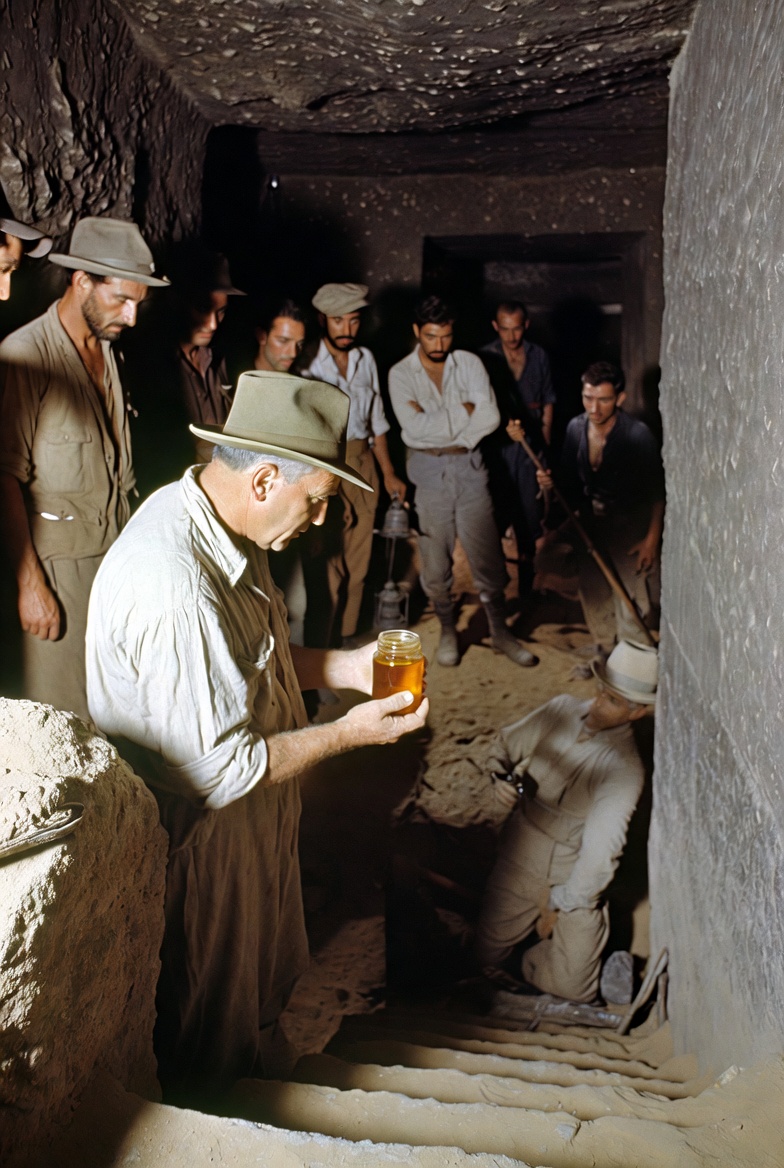
Discovering Royal Honey in Ancient Egypt
Royal honey has captivated historians and food enthusiasts alike for its remarkable longevity and cultural significance. In the early 20th century, archaeologists made a groundbreaking discovery in Egypt that highlighted the enduring quality of this natural sweetener. In 1922, during the excavation of Pharaoh Tutankhamun’s tomb in the Valley of the Kings, led by Howard Carter, jars of royal honey were unearthed alongside other treasures. This royal honey, sealed over 3,300 years ago during the 18th Dynasty, was astonishingly still in perfect condition—neither spoiled nor crystallized into an inedible state.
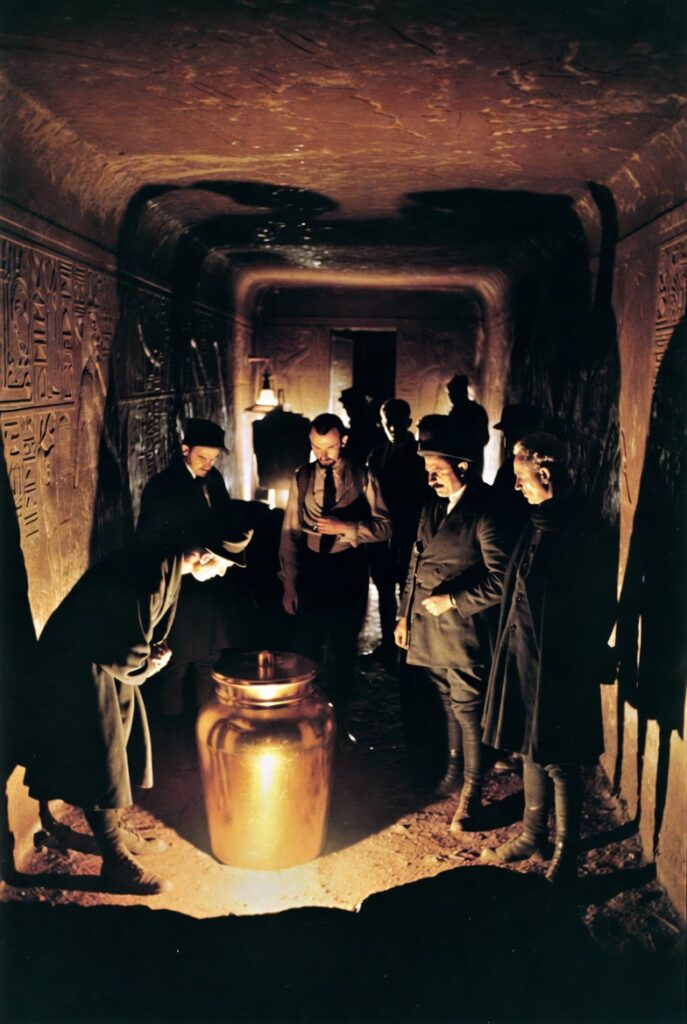
The find underscored honey’s natural preservative properties, which allow it to remain edible for millennia. Scientifically, honey can stay in good condition indefinitely under proper storage due to its low moisture content (typically below 20%), high acidity (pH around 3.2 to 4.5), and the presence of hydrogen peroxide produced by the enzyme glucose oxidase. These factors create an inhospitable environment for bacteria and fungi, preventing spoilage.
Unlike other foods that degrade over time, royal honey from ancient sources like this has been tested and found safe for consumption even today, making it a testament to nature’s ingenuity in preservation. This discovery not only thrilled the archaeological community but also sparked global interest in royal honey as a symbol of eternal sustenance, blending history with the practical benefits of this golden elixir in modern diets.
Preserving Royal Honey: Ancient Egyptian Techniques
The ancient Egyptians were masters of preservation, and their methods for storing royal honey reveal a deep understanding of both practicality and spirituality. Royal honey was meticulously saved in airtight clay pots, often sealed with beeswax or resin to prevent air and moisture from entering, which could otherwise lead to fermentation or contamination. These clay vessels, known as amphorae or simpler jars, were crafted from local Nile River clay and fired at high temperatures for durability.
The Egyptians believed that royal honey possessed divine qualities, associating it with the gods—particularly Ra, the sun god, whose tears were mythically said to turn into bees. This reverence led them to include honey in king’s tombs as essential offerings for the afterlife. In tombs like that of Tutankhamun, honey pots were placed among food provisions, cosmetics, and medicines, symbolizing nourishment for the pharaoh’s journey to eternity.
The practice stemmed from the belief that the soul, or ka, required sustenance in the next world, and royal honey’s imperishability made it ideal. Detailed hieroglyphics and tomb paintings depict beekeepers harvesting honey from hives made of stacked clay cylinders, a system that allowed for efficient collection without destroying the colony. Egyptians also flavored royal honey with herbs or spices for medicinal use, treating ailments from wounds to digestive issues. By burying honey with kings, they ensured the ruler’s eternal comfort, reflecting honey’s role in both daily life and ritual. This tradition highlights how royal honey bridged the mundane and the mystical, preserving not just the substance but the cultural legacy of an advanced civilization.
Royal Honey: The Elixir Beloved by Kings
Throughout history, royal honey has been more than a mere sweetener; it was a staple in the lives of kings, embodying luxury, health, and power. Ancient monarchs, especially in Egypt, used royal honey in various ways, from culinary delights to medicinal remedies. Pharaohs like Ramses II incorporated it into their diets, mixing it with bread, fruits, and wines to create sumptuous meals fit for divinity.
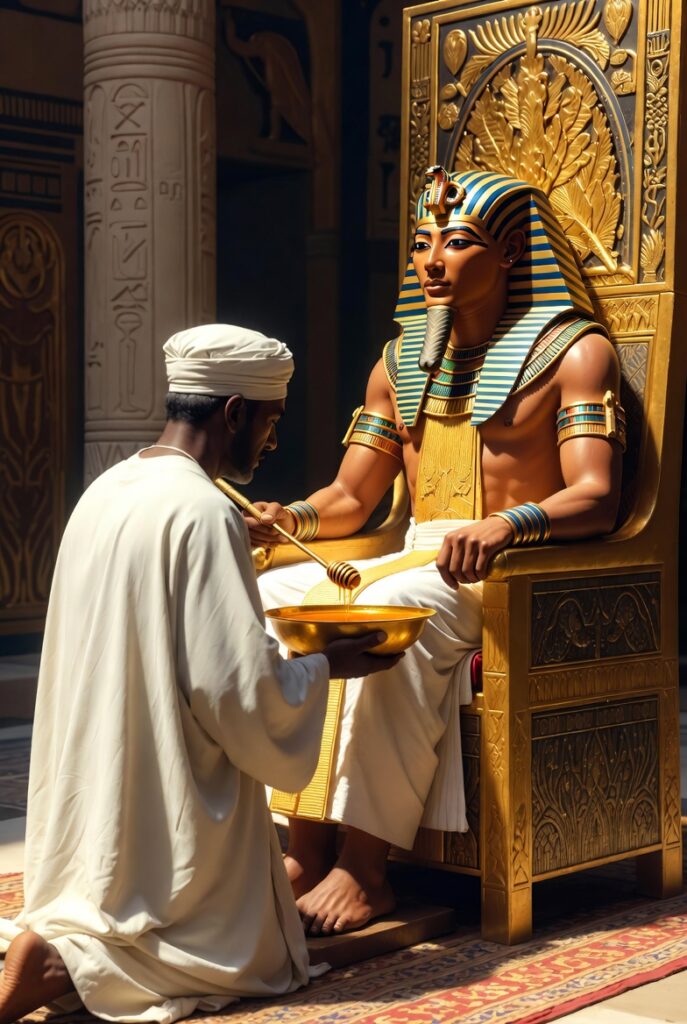
Honey was also applied topically as a balm for skin ailments or wounds, leveraging its antibacterial properties long before modern science explained them. Kings loved royal honey for its multifaceted benefits: it symbolized immortality due to its everlasting nature, aligning with their god-like status. In rituals, honey was offered to deities and used in embalming processes to preserve bodies, as seen in mummification where it helped inhibit bacterial growth.
Beyond Egypt, Assyrian and Persian rulers prized it for similar reasons, trading vast quantities along ancient routes. The allure stemmed from its rarity—harvested from wild hives or managed apiaries—and its perceived vitality-boosting effects, rich in antioxidants, vitamins, and enzymes. Royal honey enhanced fertility rites and was gifted in diplomatic exchanges, reinforcing alliances. This deep affection wasn’t superficial; kings recognized its role in sustaining health during long campaigns or opulent feasts. Today, the legacy of royal honey persists, reminding us why it earned such regal adoration through its blend of taste, utility, and symbolism.
The Mysteries of Honey Dew: Nature’s Alternative Sweetener
Honey dew represents a fascinating variation in the world of honey production, offering a unique twist on traditional floral nectars. Unlike standard honey derived from flower nectar, honey dew is a sweet substance excreted by sap-sucking insects like aphids, scale insects, or leafhoppers as they feed on plant sap. Bees collect this honey dew from leaves and stems, process it in their hives by adding enzymes, and store it as honey.
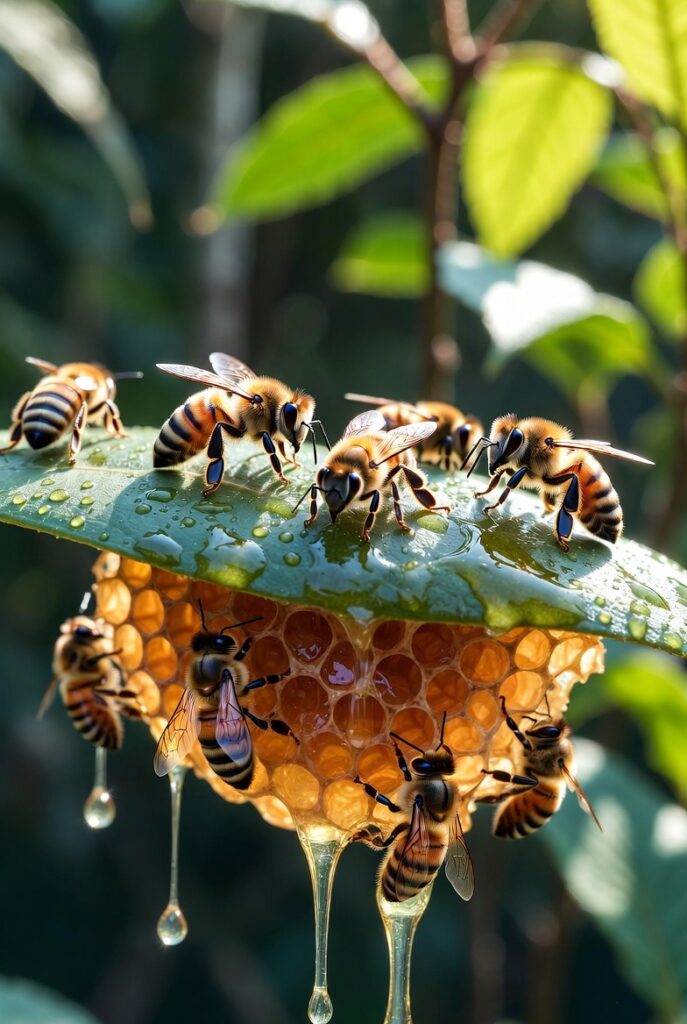
What makes honey dew particularly exceptional is its superior nutritional profile when used in honey making; it’s often darker, with a more robust flavor profile ranging from malty to caramel-like, depending on the source tree—such as pine, fir, or oak. Honey dew honey is richer in minerals like potassium, iron, and manganese compared to floral honeys, and it boasts higher antioxidant levels, which can support immune health and reduce oxidative stress.
Bees prefer honey dew in regions where flowers are scarce, turning what could be a plant byproduct into a premium product. This type of honey crystallizes slower due to its fructose-glucose ratio, making it ideal for long-term storage. In detail, the process involves aphids piercing plant phloem to extract sap, expelling excess sugars as honey dew, which bees then forage. This symbiotic relationship enhances biodiversity, as it supports bee colonies during off-seasons. Honey dew honey is prized in cuisines for its depth, used in baking, teas, or as a gourmet drizzle. Its “very good” status comes from these enhanced qualities, making it a sought-after variety for health-conscious consumers exploring beyond conventional honey.
Honey Dew Honey: A Sweet Conclusion to Timeless Traditions
As we wrap up this exploration of honey’s wonders, honey dew stands out as a bridge between ancient practices and contemporary appreciation, inviting us to savor nature’s ingenuity in every drop. Reflecting on royal honey’s historical grandeur and honey dew’s modern appeal, it’s clear that these natural treasures offer more than sweetness—they provide health benefits, cultural depth, and environmental insights. Incorporating honey dew into daily routines, whether in smoothies, dressings, or as a natural energy booster, can elevate wellness while supporting sustainable beekeeping.
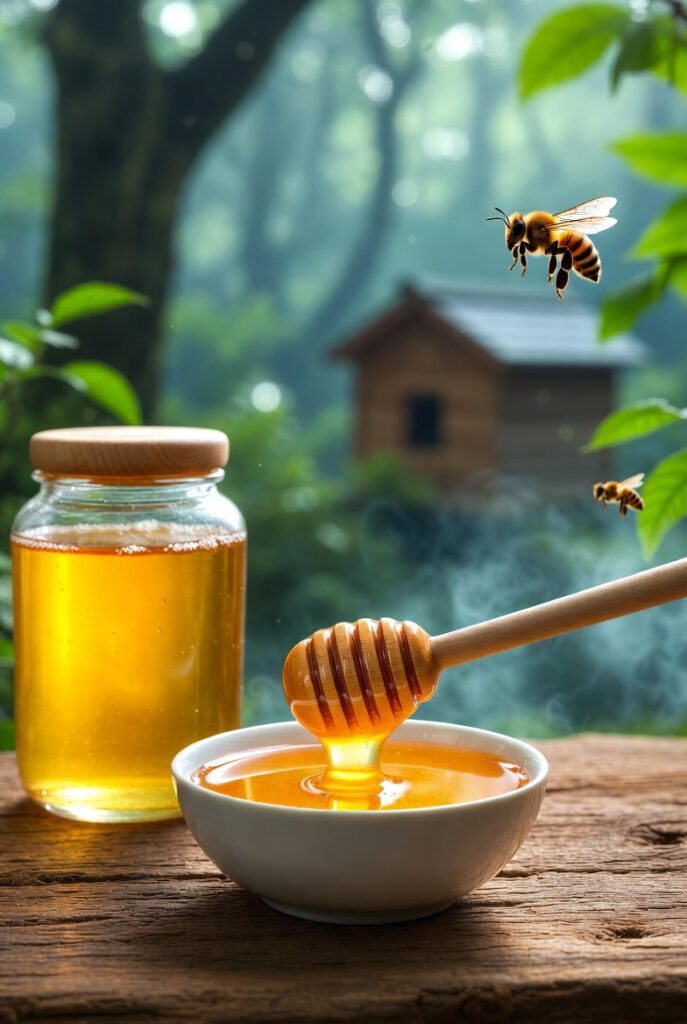
Ultimately, whether it’s the unspoiled jars from Egyptian tombs or the rich, forest-sourced honey dew, honey reminds us of life’s enduring sweetness. Embrace it in your kitchen, explore local varieties, and let it inspire a deeper connection to our planet’s buzzing ecosystems. With its timeless allure, honey dew honey encapsulates the perfect ending: a call to celebrate and preserve this golden gift for generations to come.
Alright crew, who’s feeling lucky? Check out luckypkr, might be your lucky day. Get lucky at luckypkr.
Multi Bet seems like a solid choice for combo bets. I’ll check it out, maybe I will increase my payout with the risk. Let’s win big! multi bet
Okay, so I gave tk88vina a shot and gotta say, it’s pretty decent! The games loaded quickly, and I saw some familiar titles which made me happy. I wish they had a little more variety though. But overall, not bad! Check it out for yourself –> tk88vina
Can never remember the lottery logins. The 52lotterylogin link 52lotterylogin was pretty helpful for getting back into my account. Fingers crossed I win this week!
Tried out 27betapp on a whim and I’m actually pretty impressed! Easy to use, good selection of games, and the bonuses are pretty sweet. Definitely recommend checking it out. App download here: 27betapp
Alright Bucharest buddies, just checked out Winbet RO and gotta say, not too shabby! The site’s got a decent selection and seems legit. Worth a punt for a Saturday night flutter. Check it out here! winbet ro