
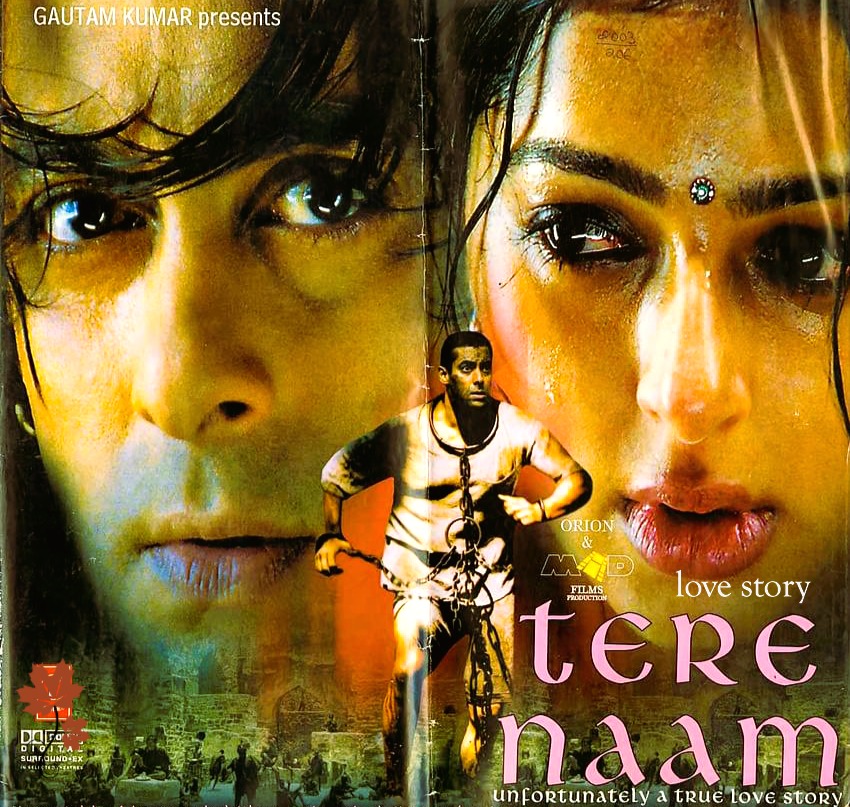
Tere naam
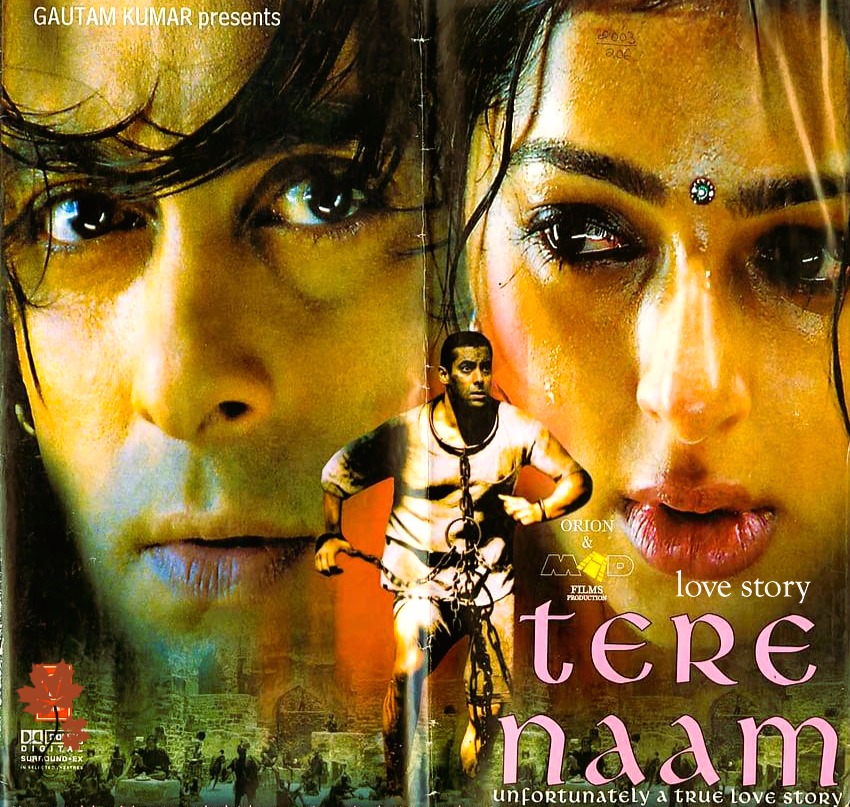
In a dusty corner of Uttar Pradesh, where the Ganges shimmered under the afternoon sun and college boys roared past on motorcycles, lived Radhe Mohan, a young man everyone feared and secretly admired. Tall, broad-shouldered, with intense eyes that could silence a room, Radhe was the undisputed rowdy of his college. He fought for the weak, thrashed the bullies, and carried the scars of a broken childhood like medals. His elder brother ran a small garage, his bhabhi loved him like a mother, but Radhe had built walls around his heart no one could climb. Love, to him, was weakness. Devotion was something he gave only to Lord Shiva, whose fierce image he wore on his chest and in his soul.
One monsoon evening, everything changed.
A new girl had joined the college — Nirjara, quiet, beautiful, with eyes like a deer caught in headlights. She wore simple cotton sarees, helped the temple priest after classes, and spoke so softly that people leaned in just to hear her. She was everything Radhe was not: gentle, devout, afraid of anger. Yet fate has a strange sense of humour.
It began with a small injustice. A few rich boys were harassing a junior girl near the temple steps. Radhe appeared like a storm, fists flying, and within moments the bullies were on the ground. Nirjara, who had been watching from the temple doorway, saw the violence — and then saw something else: the way Radhe quietly helped the crying girl to her feet, the way he bowed his head to the temple before leaving. Something stirred in her innocent heart.
Days turned into weeks. Radhe began noticing her too. He saw her feeding stray dogs, saw her praying with closed eyes, saw the way she blushed when someone teased her. One day, unable to hold back, he blocked her path near the college gate.
“Why do you keep looking at the ground when you walk?” he asked roughly.
She looked up, startled. “Because… the earth is sacred.”
He laughed, a short, surprised sound. “You’re strange.”
“And you’re scary,” she whispered, then ran away.
That should have been the end of it. But it wasn’t.
Radhe started finding excuses to be wherever she was. He left flowers on her scooter seat. He stood outside the temple just to watch her light diyas. His friends teased him mercilessly — Radhe Mohan, the lion, tamed by a girl’s smile. He denied it furiously, but at night he couldn’t sleep. For the first time, the walls around his heart began to crack.
Nirjara’s feelings grew quietly, like a lotus opening petal by petal. She was terrified of him, yet dreamed of him. She knew her orthodox family would never accept a boy like Radhe — violent, motherless, fatherless, infamous. But the heart doesn’t listen to society.
One evening, during Ganpati Visarjan, the streets overflowed with music and colour. Radhe, drunk on bhang and longing, danced wildly with the crowd. Nirjara stood on the sidelines with her friends. Their eyes met across the chaos. Something electric passed between them. Without thinking, he pushed through the crowd, grabbed her hand, and pulled her into the dance. For one glorious moment, she danced with him — laughing, free, alive. Then her friends pulled her away, shocked.
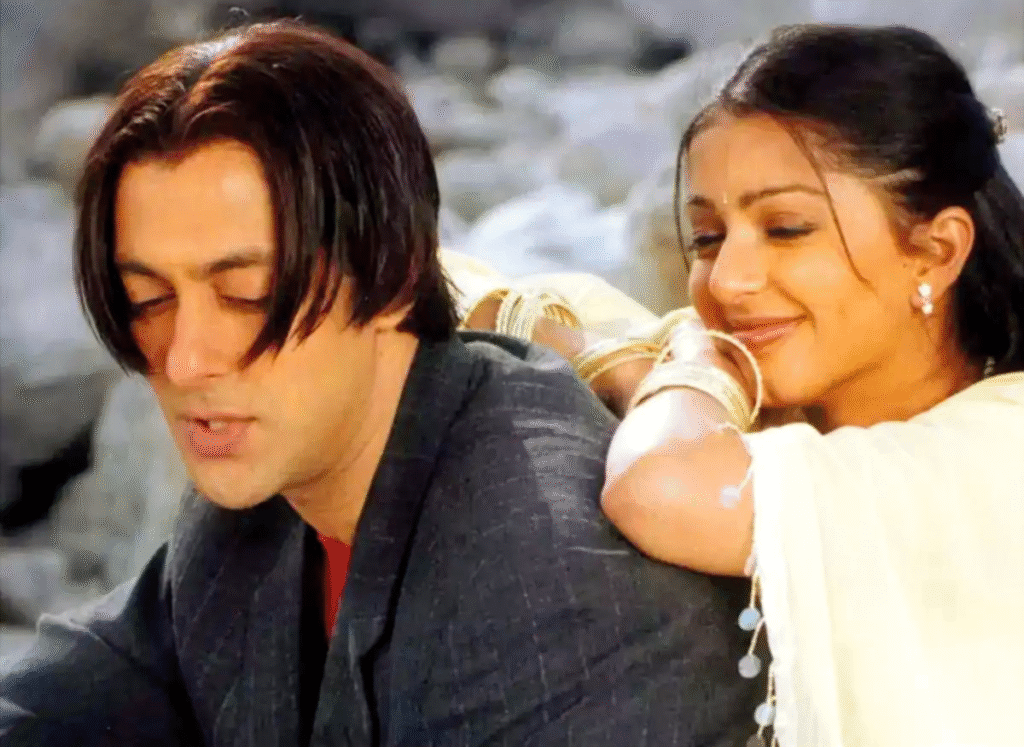
That night, she wrote in her diary: “I think I’m in love with the devil… and he’s not a devil at all.”
But love like theirs was never meant to be easy.
Word reached Nirjara’s family. Her elder sister was already engaged; the honour of the house rested on the daughters marrying “decent” boys. When her father discovered the flowers, the glances, the whispered rumours, he lost his mind. Nirjara was locked inside the house. Her books were taken away. Marriage proposals arrived by the dozen.
Radhe, meanwhile, went half-mad. He stopped eating, stopped fighting, stopped living. His brother begged him to forget her. “She’s not from our world, Radhe.” But Radhe only had one answer: “She is my world.”
In desperation, he went to her house at midnight and stood beneath her window, singing a broken love song in his rough voice. Nirjara opened the window, tears streaming down her face.
“I can’t fight my family, Radhe. Please go.”
“I’ll wait forever,” he said simply.
Then came the night that destroyed everything.
INTERMISSION
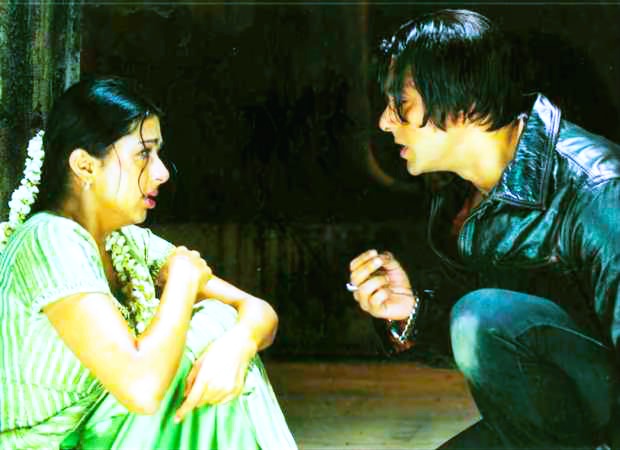
A local goon named Aatmaram, who had old scores to settle with Radhe, saw his weakness and struck. He kidnapped Nirjara on her way to the temple, planning to ruin her and crush Radhe’s spirit forever. Radhe found out and rode into the night like a man possessed. What followed was brutal — fists, knives, blood on the roadside. Radhe saved her, but not before taking a severe head injury. When the police arrived, they saw only a rowdy boy covered in blood beside a terrified girl. They beat him senseless and threw him into an asylum, labelling him insane.
Nirjara was forcibly married off within days to a kind but clueless boy in another city. She went like a ghost.
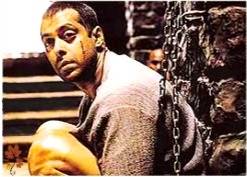
In the asylum, Radhe lost himself. The gentle, intense boy who once left flowers on a scooter seat now sat in a corner, hair grown long and matted like Lord Shiva in grief, eyes empty. He stopped speaking. He only whispered her name sometimes — “Nirjara… Nirjara…”
Months passed. Nirjara’s marriage turned into silent torture. Her husband was decent, but she was already dead inside. One day she heard the rumours: Radhe had become mad. They had shaved his head, chained him, beaten him. Something in her broke forever.
She ran away from her husband’s house and reached the asylum disguised as a visitor. When she saw Radhe — the fierce, proud Radhe — sitting broken on the floor, singing her name like a prayer, she fell to her knees.
“Radhe… it’s me.”
For a moment, light returned to his eyes. He touched her face as if she were a dream. “You came,” he whispered, smiling the same intense smile that once terrified and thrilled her.
The doctors warned her he was beyond help. The injury had damaged his mind permanently. But Nirjara refused to leave. She fought the courts, fought her family, fought society. Finally, they released him into her custody.
On the banks of the Ganges, under the same sky where they had once danced, Nirjara brought Radhe home. He was quiet now, childlike, sometimes violent without warning, sometimes tender like a breeze. But every evening, she made him sit beside her, combed his long hair, and told him stories of a boy who once loved a girl so fiercely that he broke the world to save her.
And Radhe, lost in his shattered mind, would suddenly look at her with perfect clarity and say, “You are my temple.”
Some love stories don’t end with weddings and songs. Some end with one person carrying the broken pieces of the other for the rest of their lives, calling it devotion.
This was theirs.
clic on home page for read more Heartbreaking Bedtime Story .
jljl7788jljl… sounds kinda repetitive, right? But surprisingly decent! The interface is easy on the eyes, and the games are fun. Not complaining! Take a punt: jljl7788jljl
very nice publish, i certainly love this web site, carry on it